Something's shifted in how people find businesses online, and if you've felt it in your traffic numbers, you're not wrong. Fewer people are typing questions into Google and scrolling through ten blue links. More of them are just asking ChatGPT, Gemini, Perplexity, or Claude directly and getting one answer back from one source. So the question worth asking isn't "How do I rank on Google?" anymore. How does an AI decide which website even gets mentioned?
We deal with this question constantly at Sham Marianas, and honestly, the answer isn't as mysterious as people assume. AI search engines lean on a combination of things, how deep your content actually goes, whether your business information matches up across the web, whether real credibility shows through, and whether your pages are structured in a way machines can read cleanly. None of that is luck. It's buildable.
This guide walks through how AI search ranking actually works right now, which trust signals carry the most weight, and what you can realistically do to improve your AI visibility, not in theory but in practice.
What Makes AI Search Different From Traditional Search
Old-school Google ranking factors leaned hard on backlinks, keyword density, and domain authority scores. AI search engines still pay attention to a lot of that, sure. But they've stacked something new on top of it.
Instead of just crawling and indexing, these systems try to actually understand what a page is saying. They check whether your content answers the question a person asked, whether it lines up with what other trustworthy sources are saying, and, this part surprises people, whether it reads like it was written by someone who actually knows what they're talking about.
That's basically why Generative Engine Optimization, or GEO, has turned into such a big deal heading into 2026. It's not a replacement for SEO. Think of it more like an extra layer built on top, aimed at getting your content pulled into AI-generated answers instead of just sitting on page one of a results list nobody scrolls through anymore.
How AI Search Engines Rank Websites
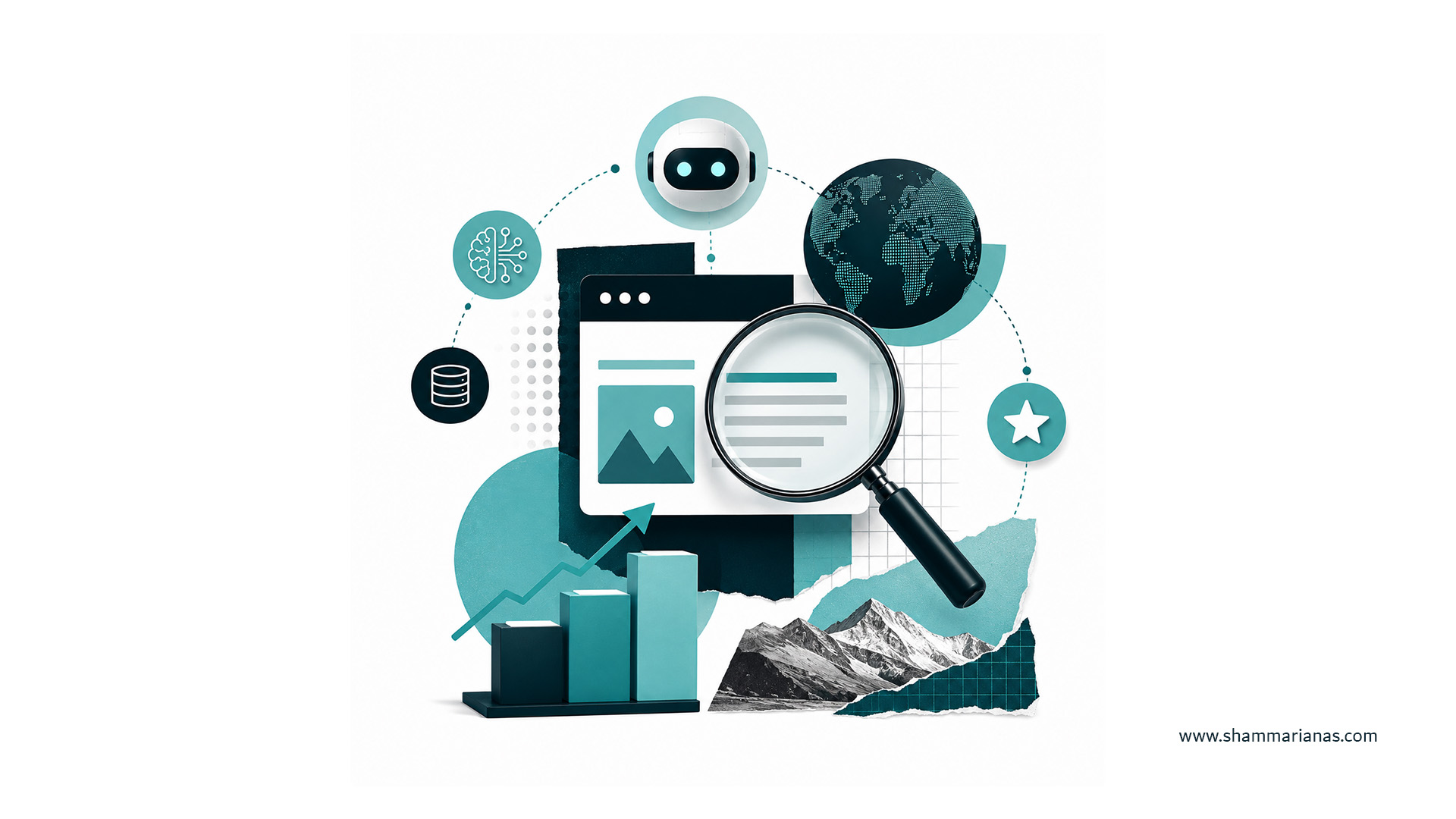
If you want to understand how AI search engines rank websites, start with what these systems are actually trying to do. They're not matching keywords the old way. They're trying to pick the single best answer for a person, and they pull it from whatever source they trust the most.
Content Clarity and Depth
AI models tend to favour content that actually explains something properly, start to finish, without making the reader hop between five different pages to get the full picture. If your article covers the what, the why, and the how in one place, it becomes far more useful for an AI system putting together a response.
Thin, vague pages rarely show up in AI overviews or chatbot answers. Content that's detailed and well organized, without dragging on for the sake of length, tends to win out here.
Source Consistency Across the Web
Here's something traditional search never cared about this much: consistency. If your business name, your services, and the facts about your company show up the same way on your website, your Google Business Profile, directories, and anywhere else you're listed, AI models read that as a genuine trust signal.
When that information doesn't line up, different phone numbers, mismatched descriptions, outdated addresses, it gets harder for an AI engine to confidently cite you. This is one of those AI search ranking factors people overlook constantly, and it's one of the first things we clean up for clients at Sham Marianas.
Author and Business Credibility
AI engines are paying more attention to who's actually behind the content. A real author name, verifiable business details, an About page that isn't just a paragraph of filler, all of that feeds into how much authority a site gets.
This connects straight back to Google's E-E-A-T framework, which we'll get into next, because credibility isn't optional anymore. It's part of any AI SEO strategy that's actually going to work.
Structured Data and Machine-Readable Content
AI systems move through structured data a lot faster than they move through dense paragraphs. Schema markup, clean headings, FAQ blocks, and organized lists, all of it makes it easier for AI to pull accurate information from your site instead of misreading it.
That's basically what answer engine optimization is about. Structure your content well, and AI tools have an easier time quoting you directly instead of skipping past you for a competitor with cleaner formatting.
Google E-E-A-T and Why It Matters More Than Ever
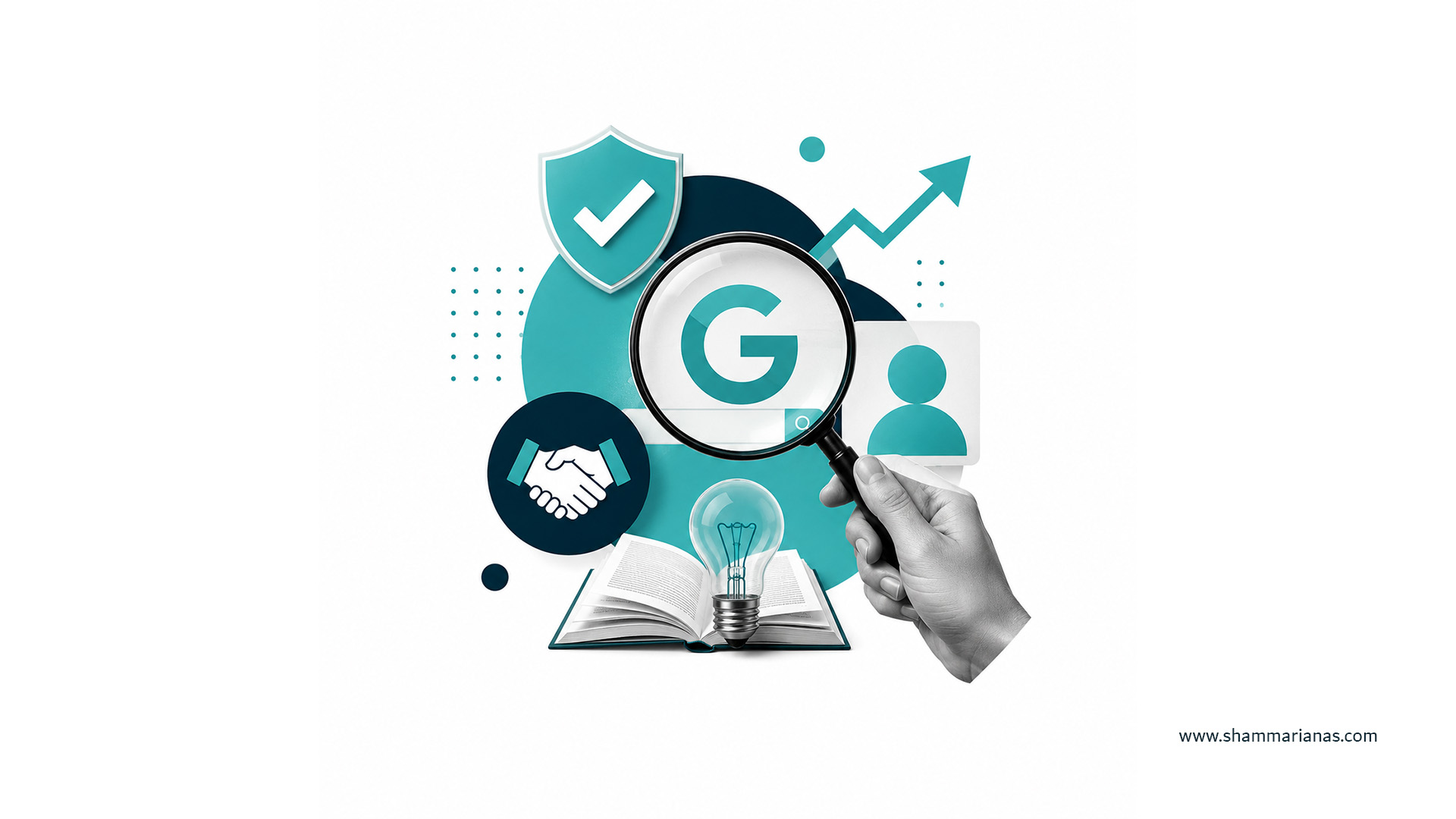
Google E-E-A-T stands for Experience, Expertise, Authoritativeness, and Trustworthiness. It started out as a framework for human quality raters, but somewhere along the way it became the actual backbone of how both Google and AI search engines judge every website they come across.
Experience is about whether your content shows real, first-hand knowledge, not just information rehashed from somewhere else. Expertise means whoever's behind the content genuinely understands the subject. Authoritativeness shows up when other credible sources point to your site as a reference point in your space. And trustworthiness ties it all together, accuracy, transparency, and a business that's straightforward about who it is and what it does.
E-E-A-T isn't a box you tick once and forget. It's ongoing, and AI search engines use it constantly to decide whether your site is worth citing or worth skipping.
Key Website Trust Signals AI Engines Look For
Building real authority for AI search visibility comes down to a fairly short list of signals that show up again and again, no matter which platform you're looking at.
- Accurate, current content, not information that was true two years ago
- A clear, verifiable business identity, real contact info, real location, real service details
- Genuine reviews and mentions across platforms you don't control directly
- A site that actually loads fast and works properly
- Original thinking, not content lightly reworded from a competitor
- Sources cited properly whenever you're referencing outside data or claims
None of these on their own will make or break you. Together, though, they add up to the kind of trust AI systems reward with visibility.
How to Rank in AI Search Engines: A Practical Approach
Understanding the theory is one thing. Actually moving the needle on AI visibility takes a real strategy behind it. Here's roughly how we approach it at Sham Marianas.
Answer Favoured Questions, Not Assumed Ones
Every page should be built around something your audience is genuinely asking. AI search engines favour content that gets to the point instead of stalling through three paragraphs of throat-clearing before it answers anything.
Build Out Your Entity Presence
AI models think in terms of entities, not just URLs. Making sure your business shows up clearly and consistently across your Google Business Profile, social platforms, and relevant directories makes it easier for AI engines to recognize, and recommend, you with confidence.
Keep Content Updated
Pages that sit untouched for years start to lose trust, even if nothing on them was ever wrong. Refreshing content regularly tells AI systems your site is actually maintained, not abandoned.
Write Naturally, Skip the Keyword Stuffing
AI search optimization rewards writing that sounds like an actual person wrote it. Over-stuffing keywords works against you now; these models are trained to notice forced, unnatural phrasing and quietly downrank it.
There's No Shortcut Around Real Expertise
This is the part nobody likes hearing, but it's true. Publishing content backed by genuine knowledge, accurate information, and a credible brand behind it remains the only strategy that holds up long-term.

Why This Matters for Businesses Right Now
AI search visibility isn't some future trend to prepare for, it's already reshaping how people find businesses, compare options, and make decisions before they've even opened your website. Businesses that ignore this are becoming invisible at exactly the moment customers are ready to choose someone.
That's the gap Sham Marianas works on closing for clients. We pair solid traditional SEO fundamentals with GEO strategy so businesses aren't just showing up in search results, they're showing up inside the AI-generated answers people are actually reading.
Frequently Asked Questions
What's the difference between SEO and GEO?
Traditional SEO is about ranking in search engine results pages. Generative Engine Optimization is about getting your content cited or summarized inside AI-generated answers on tools like ChatGPT, Gemini, and Perplexity.
How do AI search engines decide which websites to trust?
By checking content clarity, how consistent your business information is across the web, the credibility of whoever's behind the content, and how well everything holds up against Google's E-E-A-T standards.
Is traditional SEO still relevant in 2026?
Definitely. AI search engines still factor in things like site speed, structure, and backlinks, they've just added AI-specific evaluation on top, which means both disciplines matter together now.
Can a small business actually improve its AI search visibility?
Yes, and honestly, sometimes it's easier for them than for the big players. Company size doesn't carry much weight here. What matters is whether your details are consistent and your content actually says something useful. We've seen small, local businesses beat much bigger competitors in AI search simply because their information was cleaner and easier to trust.
How long before GEO efforts start showing results?
There's no fixed timeline, honestly. Some businesses notice a shift in a matter of weeks; others take a few months before anything moves. It really comes down to how crowded your industry is and how much trust your site has already built up before you start.
Conclusion
AI search engines aren't replacing SEO; they're rebuilding it around clarity, consistency, and real trustworthiness. Understanding how these systems actually rank websites gives your business a genuine edge, especially now that so many people are asking AI tools before they ever open a search engine.
If you're ready to build the kind of AI visibility and website authority that actually holds up, Sham Marianas can help you put together a strategy built for how AI search works today, not how SEO worked five years ago.
Ready to future-proof your brand for AI search? Get in touch with Sham Marianas, and let's build your AI SEO strategy together.
.jpg?alt=media&token=ff6c0039-94db-4820-abbf-d34d57b9c6a0)
.jpg?alt=media&token=77ea7c8d-83fb-4ea8-9bc8-52dd6f8945e1)

Leave a comment