LLM optimization is basically the work of shaping your content so tools like ChatGPT, Gemini, Perplexity, and Google's AI Overviews can actually understand it, trust it, and pull it into an answer. Instead of just landing on page one of Google, your brand gets quoted or recommended directly inside an AI-generated response. If your rankings look fine but your traffic has quietly dropped over the past year, this is probably why.
The way people search has changed a lot faster than most businesses expected. People now type (or speak) questions to AI tools the same way they'd ask a friend who happens to know everything, and a lot of the time they get their answer without clicking on a single website. So visibility inside these AI systems isn't some future trend anymore, for a growing number of searches, it's already the main event.
Why This Matters More in 2026 Than It Did a Year Ago
Old-school SEO had one job: convince a search engine's algorithm your page deserves to rank. LLM optimization asks something slightly different of you, convince an AI model that what you've written is accurate enough, clear enough, and trustworthy enough to hand to a user as an answer.
There's overlap between the two, but they're not the same game. You can rank on Google's first page and still get skipped by an AI model if your content is messy or hard to pull facts from. That's the trap a lot of businesses are falling into right now: their traditional SEO numbers look great, but they've quietly become invisible inside the tools people are actually using to search.
We've watched this play out with our own clients at Sham Marianas across the UAE. The businesses that started restructuring their content for AI search a year or so ago are now showing up inside AI Overviews and chatbot answers. The ones that didn't bother are starting to notice the gap, and closing it later is always harder than starting early.
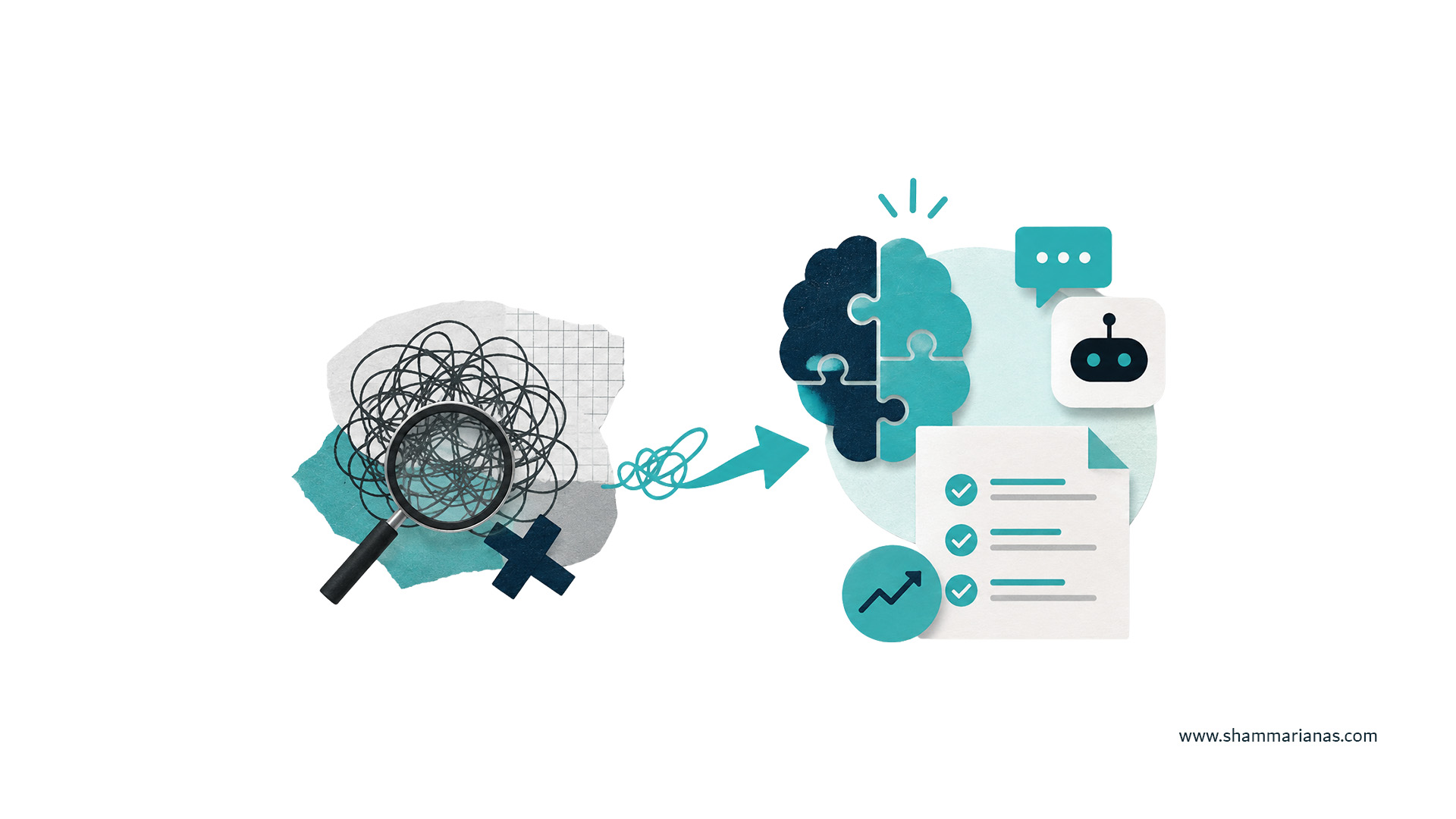
How LLM Optimization Actually Differs From Regular SEO
It Rewards Clear Answers, Not Clever Hooks
Search engines used to reward pages that kept people scrolling, a good hook, a slow build, a satisfying payoff. AI models don't care about any of that. They want the answer stated plainly and early, because that's the part they're going to lift out and use.
It Needs Content That's Easy to Scan and Extract
AI models comb through content looking for clean structure, real headings, logically ordered sections, and facts that are easy to isolate. A page with a wall of unbroken text, even if it's well written, is harder for a model to work with than one broken into clear H2s and H3s.
It Leans Heavily on Trust
Google's E-E-A-T framework, Experience, Expertise, Authoritativeness, and Trustworthiness, carries even more weight in AI search than it ever did in traditional search. These models are built to avoid citing sources that seem sketchy, so things like author credibility, factual accuracy, and consistency across the web genuinely matter.
The Core Building Blocks of an LLM Optimization Strategy
1. Answer Engine Optimization (AEO)
AEO is about structuring your content so it answers a specific question almost immediately, usually within the first sentence or two of a section. You're basically writing for a search engine that wants to quote you word for word, not just link to you
.
2. Generative Engine Optimization (GEO)
GEO is the broader work of becoming the kind of source an AI model actually wants to draw from. That means clear, unambiguous statements, well-defined facts, and content that doesn't leave the model guessing what you meant.
3. Semantic SEO
This is really just about doing a topic justice instead of typing the same keyword five different ways and hoping it sticks. You bring in related terms, ideas, and the entities that naturally belong in that conversation. AI models pick up on context now, so a page that actually walks around a subject from a couple of angles is going to beat one that keeps circling back to a single phrase.
4. AI Content Optimization
The goal here is writing that sounds natural to a human but is still easy for an AI system to break down, no padding, no repeating the same point three different ways, and no vague "studies "show"-type claims without anything behind them.

Why This Actually Matters for Businesses on the Ground
It doesn't matter if you're running a restaurant, a clinic, or an online store, your potential customers are increasingly asking an AI tool for recommendations before they ever open Google Maps. If your content isn't built for that kind of visibility, you're simply not part of that conversation anymore.
This hits local businesses especially hard. When someone asks an AI assistant for the best option nearby, it's usually pulling from a short list of sources it trusts. Getting onto that list takes the same basics we've already covered, clear answers, solid structure, and real trust signals that hold up under scrutiny.
How Sham Marianas Approaches This for Clients
At Sham Marianas, LLM optimization isn't something we bolt on at the end of a project, it's part of how we think about content from the start. We combine the SEO fundamentals that still matter with AEO and GEO techniques, so clients aren't just ranking on search engine results pages, they're actually showing up inside AI-generated answers on ChatGPT, Gemini, and Google AI Overviews.
Practically, that means we build content around real search intent, tighten up E-E-A-T signals wherever they're weak, and work on topic authority that AI models can recognize over time. The point is simple, when someone asks an AI tool a question your business can answer, we want your name to come up.
Frequently Asked Questions
What does LLM optimization actually mean?
It's the practice of writing and structuring content so AI models like ChatGPT and Gemini can understand it, trust it, and use it when they're putting together an answer for someone.
Is this just SEO with a new name?
Not quite. Regular SEO is about ranking in search results. LLM optimization is about getting cited or referenced inside an AI-generated answer. They overlap, but they're not the same target.
What's the actual difference between GEO and AEO?
Honestly, people mix these up a lot. AEO is the narrower one, it's really just about answering one specific question well. GEO is playing a bigger game: it's about becoming a source that AI tools keep coming back to and pulling from, not just for a single query but across the board.
Do I need to redo my whole website for this?
Usually not right away. Most businesses start with a handful of key pages, clearer answers, better structure, and stronger trust signals and expand from there once they see it working.
Why does E-E-A-T keep coming up in AI search conversations?
Because AI models are built to steer away from unreliable sources. Solid experience, expertise, authoritativeness, and trustworthiness signals make it far more likely a model treats your content as safe to cite.
Final Thoughts
LLM optimization isn't a nice-to-have anymore; it's becoming one of the main ways businesses stay visible as search shifts toward AI. The brands paying attention now, the ones structuring content for clarity and building real trust signals, are the ones AI tools will keep recommending to millions of users going forward.
If you want your business to still be findable as this shift plays out, Sham Marianas can help you put together a strategy that works for both traditional search engines and the AI platforms increasingly shaping how people find businesses today.




Leave a comment